
Cannabinoids have become a common topic in wellness conversations, but the science behind them can still feel confusing—especially for those new to CBD. You may hear the term often, see it on labels, or encounter it in articles, yet wonder what cannabinoids actually are and why they’re relevant to everyday wellness routines.
This guide breaks down the basics of cannabinoids in a clear, approachable way—no lab coat required.
What Are Cannabinoids?
Cannabinoids are naturally occurring chemical compounds that interact with the endocannabinoid system (ECS) in the human body. While cannabinoids are most commonly associated with the hemp and cannabis plants, they’re also produced by the human body itself.
In simple terms, cannabinoids help the body communicate internally. They play a role in maintaining balance by interacting with receptors throughout the body.
There are three main categories of cannabinoids:
- Endocannabinoids – produced naturally by the human body
- Phytocannabinoids – found in plants like hemp
- Synthetic cannabinoids – created in laboratories
Most CBD wellness products, including MedRoots offerings, focus on plant-derived cannabinoids sourced from hemp.
The Endocannabinoid System: The Body’s Communication Network
The endocannabinoid system is a complex cell-signaling system discovered in the early 1990s. It exists throughout the body and helps regulate everyday functions such as mood, sleep, appetite, and responses to stress.
The ECS is made up of:
- Receptors (primarily CB1 and CB2)
- Endocannabinoids are produced by the body
- Enzymes that break down cannabinoids once they’ve done their job
Cannabinoids interact with this system by binding to—or influencing—these receptors, helping the body maintain internal balance. This concept of balance is often called homeostasis.
Common Cannabinoids You’ll See in CBD Products
Hemp contains dozens of naturally occurring cannabinoids, each with its own structure and characteristics. Some of the most commonly discussed include:
CBD (Cannabidiol)
CBD is one of the most well-known cannabinoids and is non-intoxicating. It’s widely used in wellness routines and available in a variety of formats, including gummies, tinctures, topicals, and suppositories.
THC (Tetrahydrocannabinol)
THC is the cannabinoid associated with intoxicating effects. Hemp-derived CBD products are federally legal in the U.S. as long as they contain no more than 0.3% THC.
Minor Cannabinoids
You may also see references to cannabinoids like CBG or CBN. These are naturally present in smaller amounts and are gaining attention as researchers continue to study the hemp plant more closely.
Full-Spectrum vs Broad-Spectrum vs Isolate
When shopping for CBD products, you’ll often see terms that describe how cannabinoids are included in the formulation.
- Full-spectrum products contain a range of cannabinoids found naturally in hemp, including trace amounts of THC (within legal limits).
- Broad-spectrum products include multiple cannabinoids but remove detectable THC.
- Isolate products contain only CBD, with all other cannabinoids removed.
Each option offers a different experience, and the right choice depends on personal preference, comfort level, and lifestyle considerations.
MedRoots offers thoughtfully formulated products that provide clarity on ingredients and cannabinoid content—helping customers make informed decisions.
Why Cannabinoids Matter in Wellness Conversations
Cannabinoids matter because they interact with a system that already exists within the body. Rather than introducing something entirely foreign, plant-based cannabinoids work alongside internal processes that help regulate everyday functions.
For many people, this is what makes cannabinoids an appealing part of modern wellness routines—they’re rooted in the body’s natural signaling pathways.
That said, wellness is highly individual. How someone incorporates cannabinoids into their routine can vary based on lifestyle, preferences, and personal goals.
How Cannabinoids Are Used in Everyday Routines
Cannabinoids are commonly incorporated into wellness practices through formats designed for convenience and consistency.
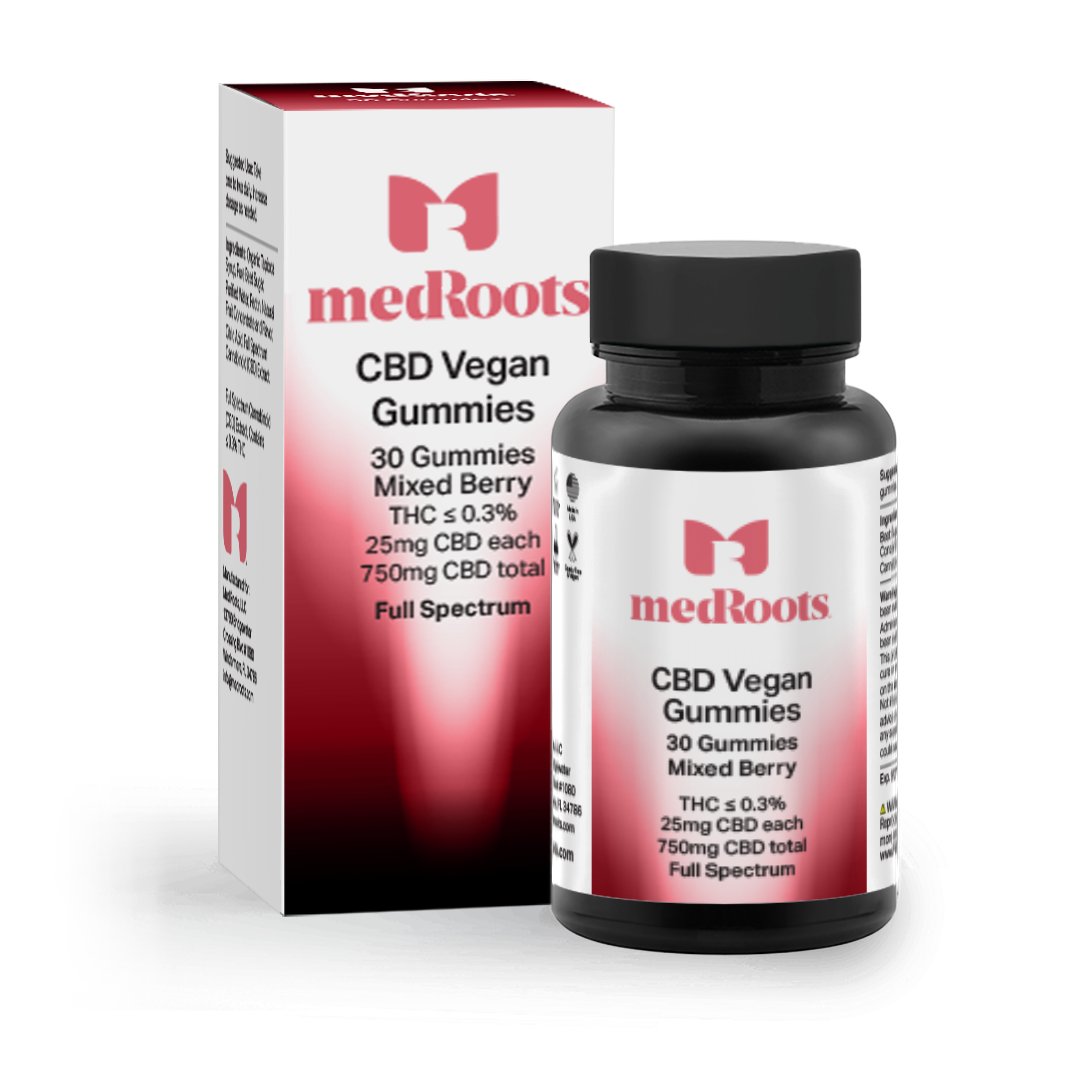
- Gummies for easy, on-the-go routines
- Tinctures for flexible use and customization
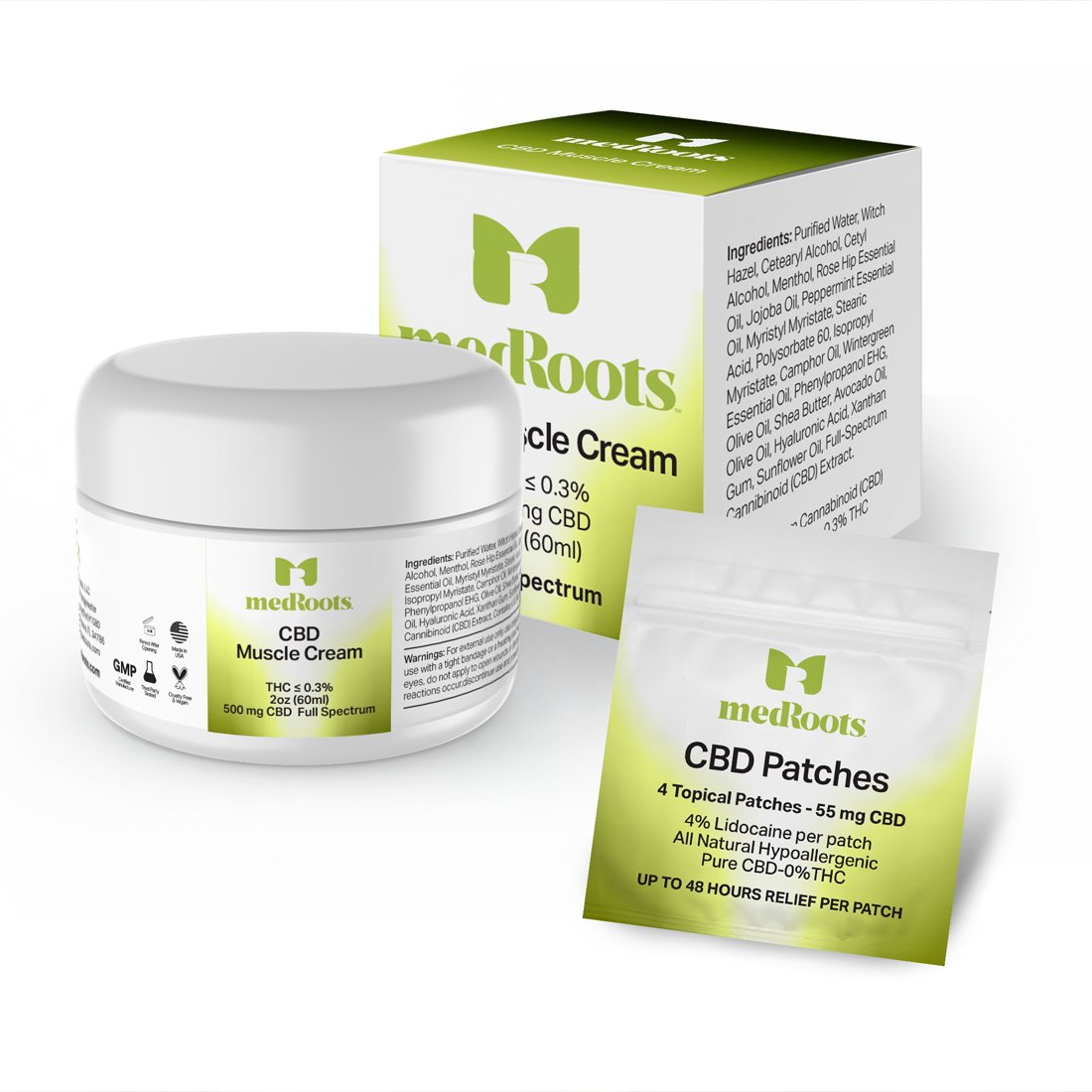
- Topicals for hands-on self-care rituals
- Suppositories for those who prefer targeted formats
Choosing a format that fits seamlessly into your daily habits often matters more than the format itself.
The Importance of Transparency and Quality
Because cannabinoids interact with internal systems, product quality and transparency are essential. Not all CBD products are created with the same standards.
When choosing cannabinoid-based products, look for:
- Hemp-derived sourcing
- Third-party testing
-
Clear cannabinoid breakdowns
- Simple, well-labeled ingredients
MedRoots prioritizes transparency, education, and formulation integrity—so customers feel confident about what they’re incorporating into their routines.
What Science Is Still Exploring
Research into cannabinoids and the endocannabinoid system is ongoing. Scientists continue to study how different cannabinoids interact with the body and how various formulations may influence everyday wellness experiences.
As interest grows, so does the importance of responsible education—focusing on facts, quality sourcing, and realistic expectations rather than hype.
Final Thoughts: Understanding the “Why” Behind Cannabinoids
Cannabinoids matter because they work with a system already built into the human body—one designed to support balance and internal communication. Understanding the basics can help demystify CBD and empower more thoughtful wellness choices.
Whether you’re just beginning to explore cannabinoids or refining an existing routine, education is a decisive first step.
MedRoots is committed to providing plant-based cannabinoid products that are clearly labeled, thoughtfully formulated, and designed to fit into real life—so you can approach wellness with confidence, clarity, and curiosity.